

Last Updated: October 30, 2026
Quick Summary
In an emburse vs navan comparison, Navan suits travel-heavy teams by combining travel booking with expense management, while Emburse suits policy-heavy teams needing expense reporting and compliance. Neither is a bookkeeping tool or replaces a bank feed, so you still need one for clean books.
- Navan offers a freemium tier, while Emburse pricing comes via custom quote.
- Ask vendors in writing about sync frequency, duplicate handling and recoding after posting.
- Budget for implementation time on top of any subscription when costing either platform.
- Under 20 people can test Navan's freemium tier at low risk before committing.
- Zenith Bank Sync connects 2,400+ banks across 30 European countries at €5 per account monthly.
Emburse vs Navan at a Glance
In any Emburse vs Navan comparison, both are expense and travel platforms, but they solve different problems for your books. Navan pairs corporate travel booking with expense management in one system. Emburse focuses on expense reporting and compliance. Neither platform is a bookkeeping tool, and that distinction matters more than most comparison articles admit.
At Zenith, we spend our days connecting bank accounts to accounting workflows across Europe, so we see what happens after the expense report is approved. The short version: your ledger is only as clean as the transaction data feeding it.
Our pick: Navan if your team books a lot of business travel and you want that spend captured in one place. Emburse if expense policy enforcement is your main headache. For the bookkeeping layer itself, neither replaces a proper bank feed.
| Criterion | Emburse | Navan |
|---|---|---|
| Core strength | Expense reporting and compliance | Travel and expense in one platform |
| Free tier | No | Yes (freemium) |
| Pricing model | Custom quote | Consultation for paid plans |
| Best for | Policy-heavy expense control | Frequent travel, global teams |
| Bookkeeping-specific features | Not verified in our research | Not verified in our research |
Below, we break down what each platform actually contributes to your books, where the gaps sit, and how to close them.
Emburse Accounting Integrations and Data Quality
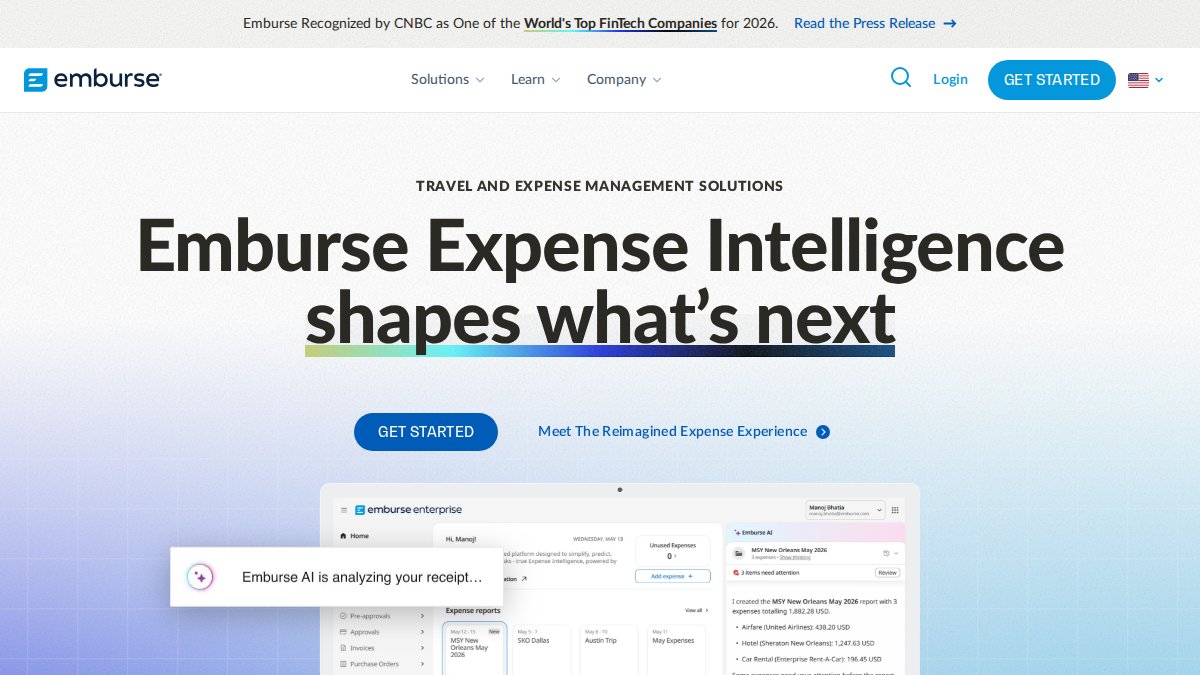
Emburse's strongest bookkeeping contribution is cleaner expense data before it reaches your ledger.
But the bookkeeping question is not whether the expense report is clean, it is whether that clean data lands in your ledger without re-keying. On that point, the research we reviewed is thinner than the marketing suggests. The details that determine whether your bookkeeper spends ten minutes or two hours a week on clean-up are the sync frequency, the duplicate-handling logic and how a transaction edited after posting is treated. Ask the vendor for these in writing.
A practical way to test this before you commit is to ask Emburse three questions in writing:
- Which accounting platforms have a native, two-way connector, and which rely on a file export?
- How often does the sync run, and what happens to a transaction that is recoded in Emburse after it has already posted to the ledger?
- How are duplicates detected when the same receipt is submitted twice, or when a card transaction and a manual claim describe the same spend?
If accounting integration depth is your deciding factor, ask Emburse directly for its current integration documentation before you commit. Emburse's official product pages should carry the current integration list, but confirm the specifics in the sales conversation rather than assuming from the marketing page.
Navan Accounting Integrations and Travel-Driven Spend
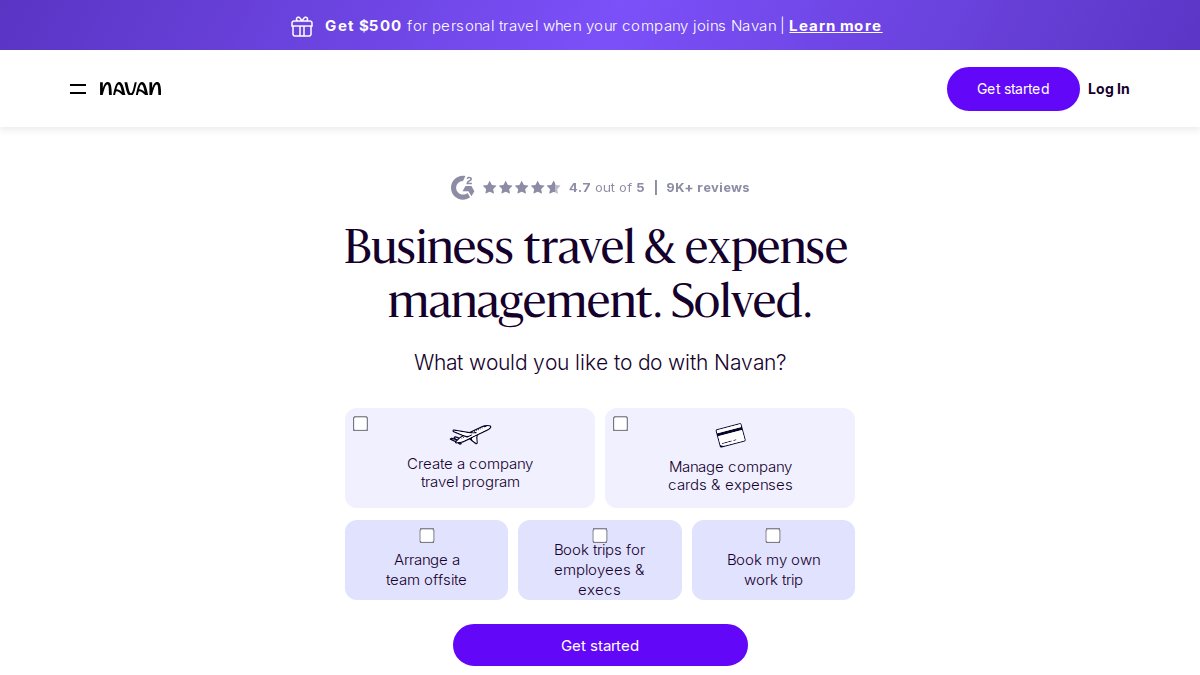
The gap is the same one Emburse has: the research we reviewed does not verify Navan's specific accounting integrations, sync frequency or duplicate-handling logic. Navan's freemium entry point makes it easy to evaluate, but confirm the accounting workflow before you migrate a team onto it. Navan's official platform documentation is the place to check current connector details.
This is where the direct comparison matters, and where most articles stop short. Neither platform is a bookkeeping tool, and neither replaces a bank feed. What they do is produce expense and travel data that must then be coded, reconciled and closed. The practical questions for a UK bookkeeper are:
- Coding: does the platform remember the coding for a recurring merchant, or does the bookkeeper recode the same supplier every month?
- Reconciliation: can a card transaction be matched to its receipt automatically, and what happens when the receipt is missing?
- Month-end close: does the platform produce a report that ties to the ledger, or does the bookkeeper rebuild the position in a spreadsheet?
- VAT: does the platform capture VAT treatment at the point of claim, or does the bookkeeper apply it afterwards?
A common pattern is that travel-heavy businesses get more bookkeeping value from Navan because the booking data arrives with the transaction, while policy-heavy businesses get more from Emburse because the coding is enforced before submission. Neither answer is universal, which is why the decision should be made on workflow fit rather than feature count.
Pricing and Total Cost of Ownership
Pricing for both platforms should be confirmed directly with each vendor. Budget for implementation time on top of any subscription. (Source: guidance on ensuring data quality in accounting systems)
Here's how we'd frame the cost comparison:
- Subscription: confirm pricing directly with each vendor.
- Implementation: migration, chart of accounts mapping and user training all consume internal time.
- Reconciliation labour: if expense data needs manual export and rekeying, your bookkeeper pays the difference every month.
If you're weighing other spend platforms on cost as well, our roundup of Spendesk alternatives for finance teams compares pricing structures across the category. The point is to price the whole workflow, not the licence.
Bank Feeds for Bookkeeping: Where Both Platforms Fall Short
This is the part most comparisons skip. Expense platforms capture employee spend. They do not, on the evidence available, feed your bank transactions into your ledger. That job belongs to bank feeds.

A bank feed for bookkeeping is the automated sync of balances and transactions from your bank account into your accounting software or spreadsheet. Without one, someone downloads CSVs from each bank portal and imports them by hand. With fifteen accounts across eight countries, that's a recurring admin burden and a reliable source of missing transactions. Automating these financial data streams prevents the reconciliation errors that often plague manual entry, a principle that extends naturally to the integration of invoicing and tracking software.
This is exactly the gap Zenith Bank Sync fills. It connects 2,400+ banks across 30 European countries through PSD2 consent, then pulls balances and transactions into Google Sheets, a REST API, CSV or an AI assistant via MCP. Pricing is €5 per connected account per month, with no platform fee and no annual contract.
For the fuller picture on continuous accounting, see our guide to finishing 60-80% of close tasks before month end.
Expense Management Software for Small Businesses: Which Suits Your Size
Small teams should pick based on where the pain sits, not on feature lists. If your team travels, Navan's combined travel and expense model removes a whole category of receipt chasing. If your team stays put and submits expense claims, Emburse's compliance layer does more useful work.
Size changes the calculus:
- Under 20 people: Navan's freemium tier lets you test the workflow at low risk. Emburse's custom quote may be more platform than you need.
- 20 to 100 people: policy enforcement starts to matter.
- 100+ people, multi-entity: neither platform handles the bank side. You need a bank feed alongside whichever you choose.
For a wider shortlist sized for smaller teams, our guide to the best expense management software for small business teams covers the options in more depth. Readers comparing Emburse against Navan often also weigh Concur, so our Concur alternatives for small companies roundup helps frame that choice.
Connecting Emburse or Navan to a Cleaner European Ledger
Whichever platform you pick, the bookkeeping outcome depends on what happens after approval. Expense data flows one way; bank transactions flow another. A clean ledger needs both.
For European teams, the bank side carries extra requirements. Multi-currency accounts, VAT treatment and audit trail expectations all shape how transaction data should arrive in your accounting software. European readers deciding between the two often want a European-focused option for local banking and bookkeeping, which our Brex alternative guide for European businesses explores.
The workflow we'd recommend:
- Choose Emburse or Navan for expense capture and policy control.
- Connect every bank account to a feed that syncs balances and transactions automatically.
- Map transactions to your chart of accounts once, then let reconciliation run continuously.
- Review exceptions weekly rather than reconstructing a month at close.